
The Right Material Is Only Part of the Job
Purchasing premium paper or high-pigment ink is a strong start, but material in isolation cannot guarantee a flawless finished piece. Print is a synchronized system where mechanics, chemistry, pressroom climate, and operator craft meet.

01The Interlocking Pressroom Equation
Think of a print run as an equation with four interdependent variables: the substrate, the ink chemistry, the press mechanics, and the supporting consumables. When one variable changes, all three others feel the ripple.
For example, switching from a smooth cast-coated label stock to a textured linen paper alters how the printing blanket transfers ink into the valleys of the sheet. Without compensating by adjusting roller pressures and fountain solution conductivity, mottling and patchy solids appear — despite using the exact same ink tin.
“You cannot fix a roller pressure problem by buying more expensive ink.”
02Consumables Are the Unsung Heroes
Printers frequently scrutinize the price per kilo of ink while overlooking the condition of pressroom chemicals, blankets, and dampening sleeves. Acidic or poorly buffered fountain solution strips plate coatings prematurely, destabilizes ink emulsification, and leads to greasing or scumming.
A glazed or hardened offset blanket loses its compressibility, failing to transfer halftone dots cleanly. Regular chemical wash-ups and correct roller maintenance are what allow quality materials to perform to their full specification.
“Quality print is never one product — it is the disciplined conversation between ink, paper, blanket, and craft.”
03Finishing, Curing, and Environmental Factors
Temperature and relative humidity in the pressroom directly govern ink tack, drying speed, and paper dimensional stability. A stack of paper brought straight from a cold storage godown into a warm pressroom will curl along its edges, causing feed jams and misregistration.
Similarly, post-press lamination, UV coating, die-cutting, and scoring demand that inks are fully oxidized and wax-compatible. Quality print is not complete when the sheet leaves the delivery tray — it is complete when the folded box or label thrives in the customer’s hands.
Key Takeaways for Printers & Designers
- ✓Substrate texture dictates blanket hardness and impression pressure.
- ✓Fountain solution pH and conductivity govern ink/water balance and plate longevity.
- ✓Acclimatize paper in the press hall for at least 24 hours to prevent edge curl and misregistration.
- ✓Ensure ink formulations match subsequent finishing steps like UV coating or hot foil stamping.
Need help choosing the right material for your print job?
Talk directly with our pressroom consumables and ink specialists in Nairobi.
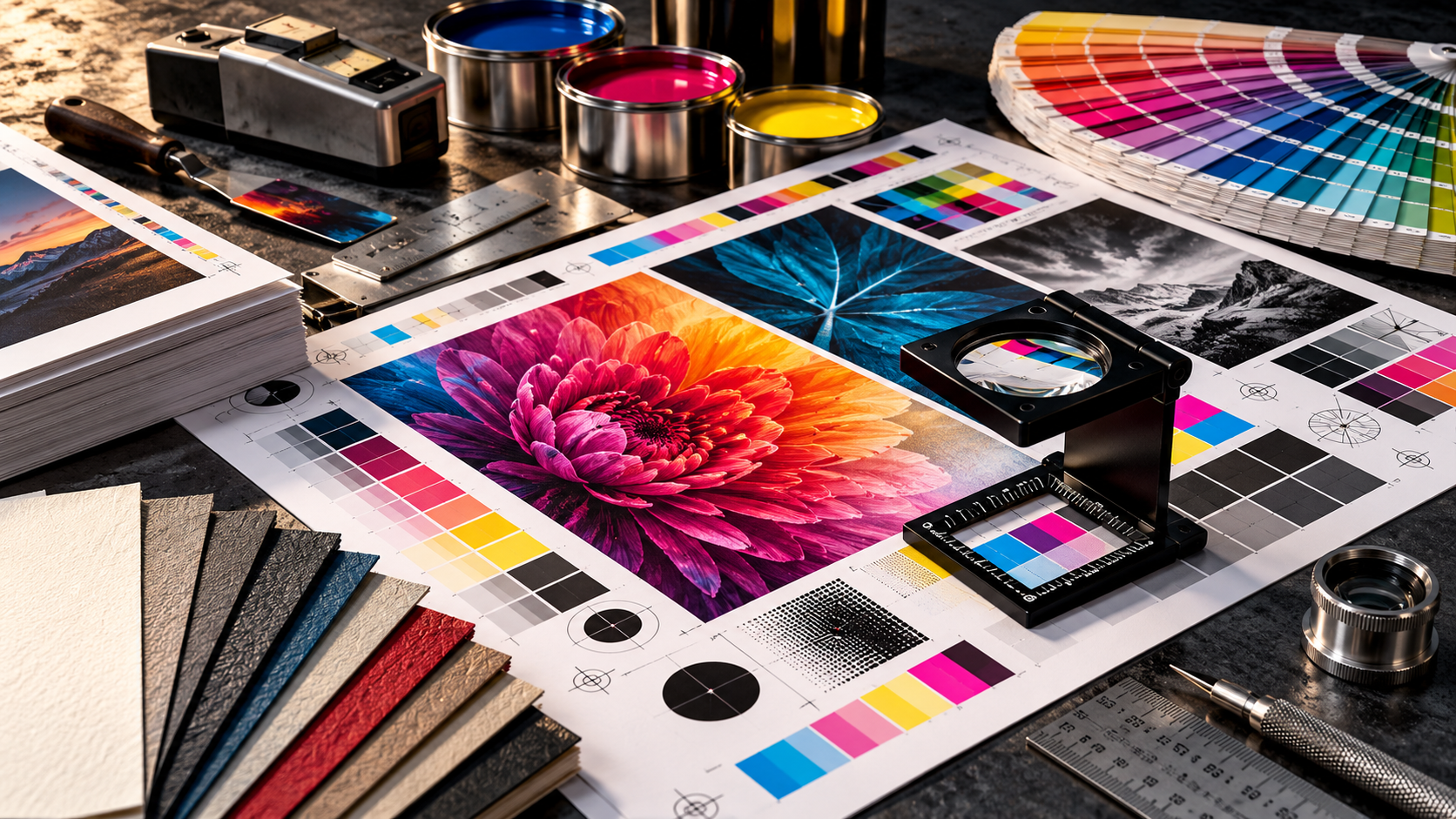
Why Colour Changes from Screen to Print
What looks perfect on a screen can shift once it reaches paper. Learn the practical reason colour changes between digital artwork and printed output, and what to check before production starts.
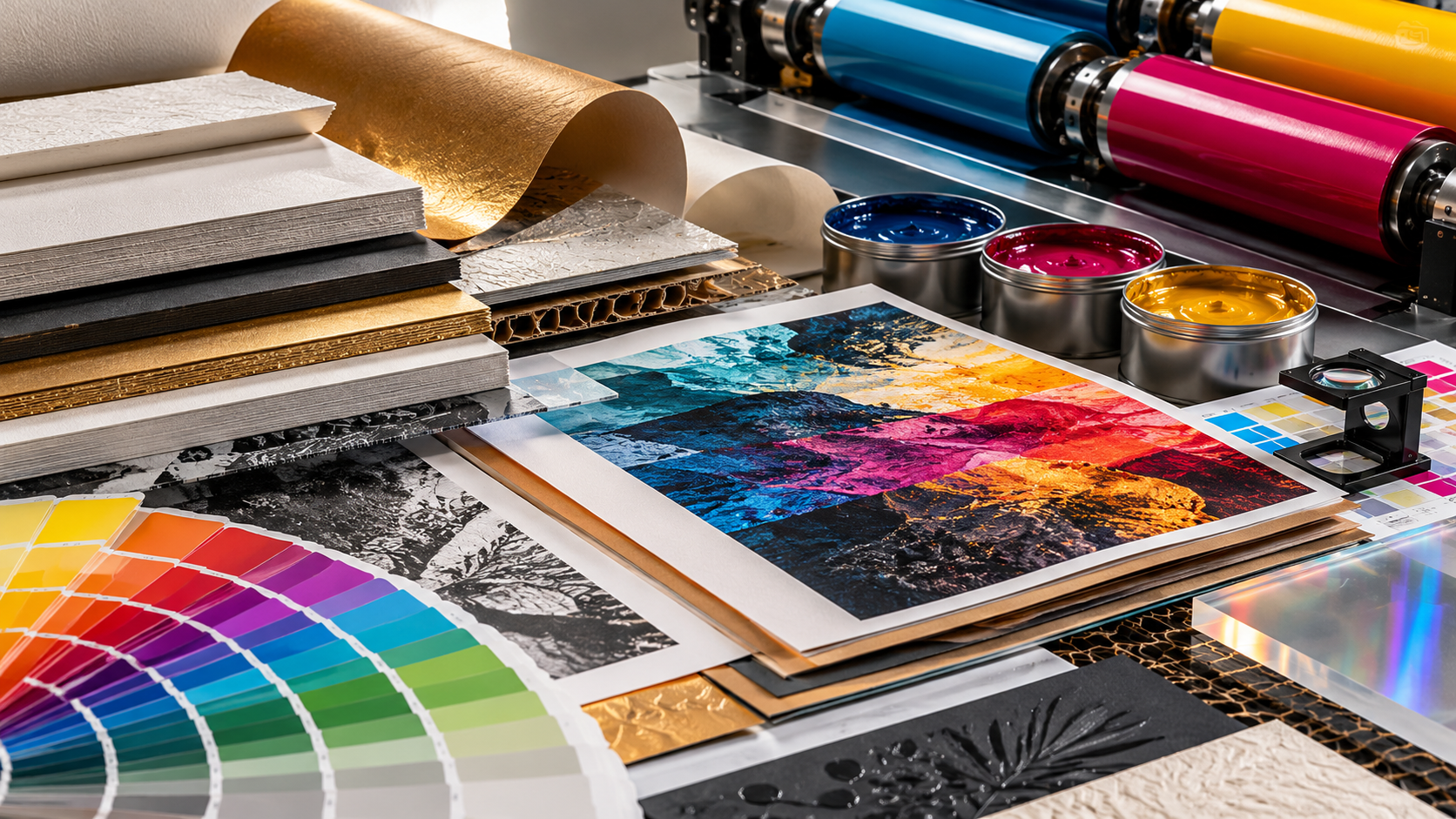
How to Catch Print Problems Before Production
Many costly print issues can be prevented before the job goes to press. This article explains the simple checks that help catch colour, file and proofing problems early.
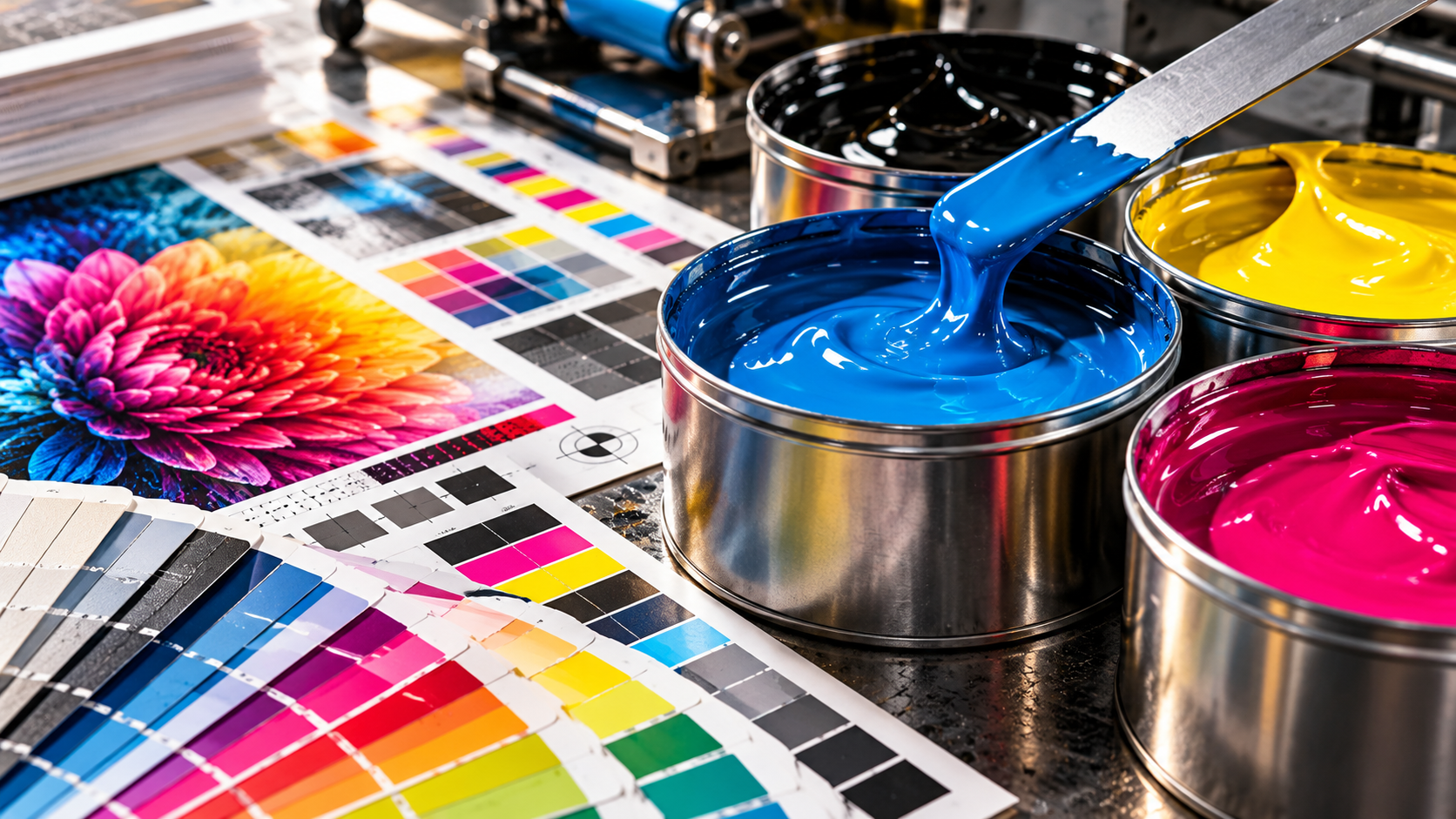
How to Approve Colour Before It Becomes a Costly Print Problem
A fast practical guide to checking proofs, ink behaviour and expectations before a job goes to press, so colour decisions are made early and correctly.
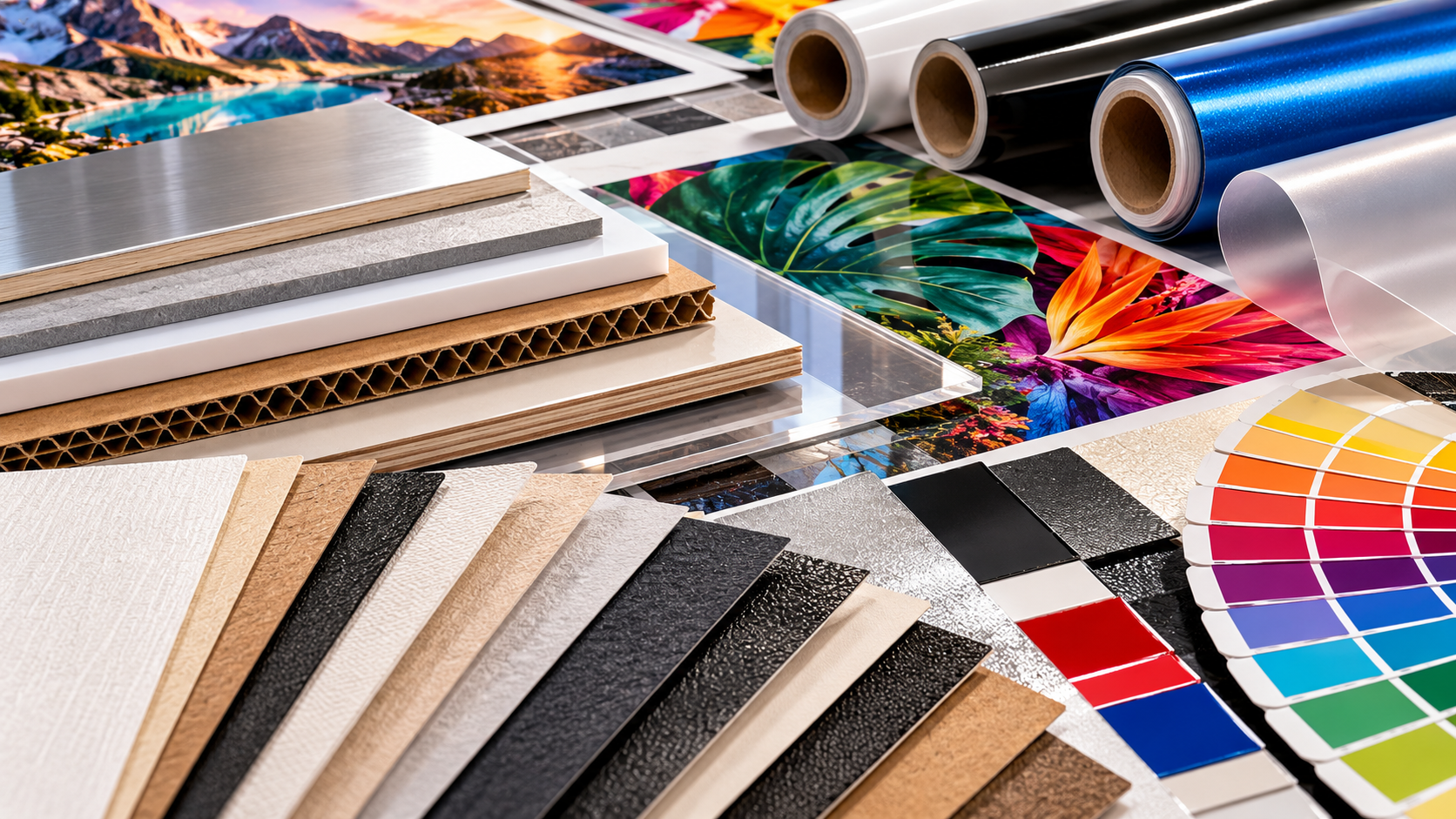
How the Right Substrate Changes the Entire Print Result
Paper, vinyl, board and specialty materials all react differently. Learn how substrate choice affects colour, texture, finish and final print quality.
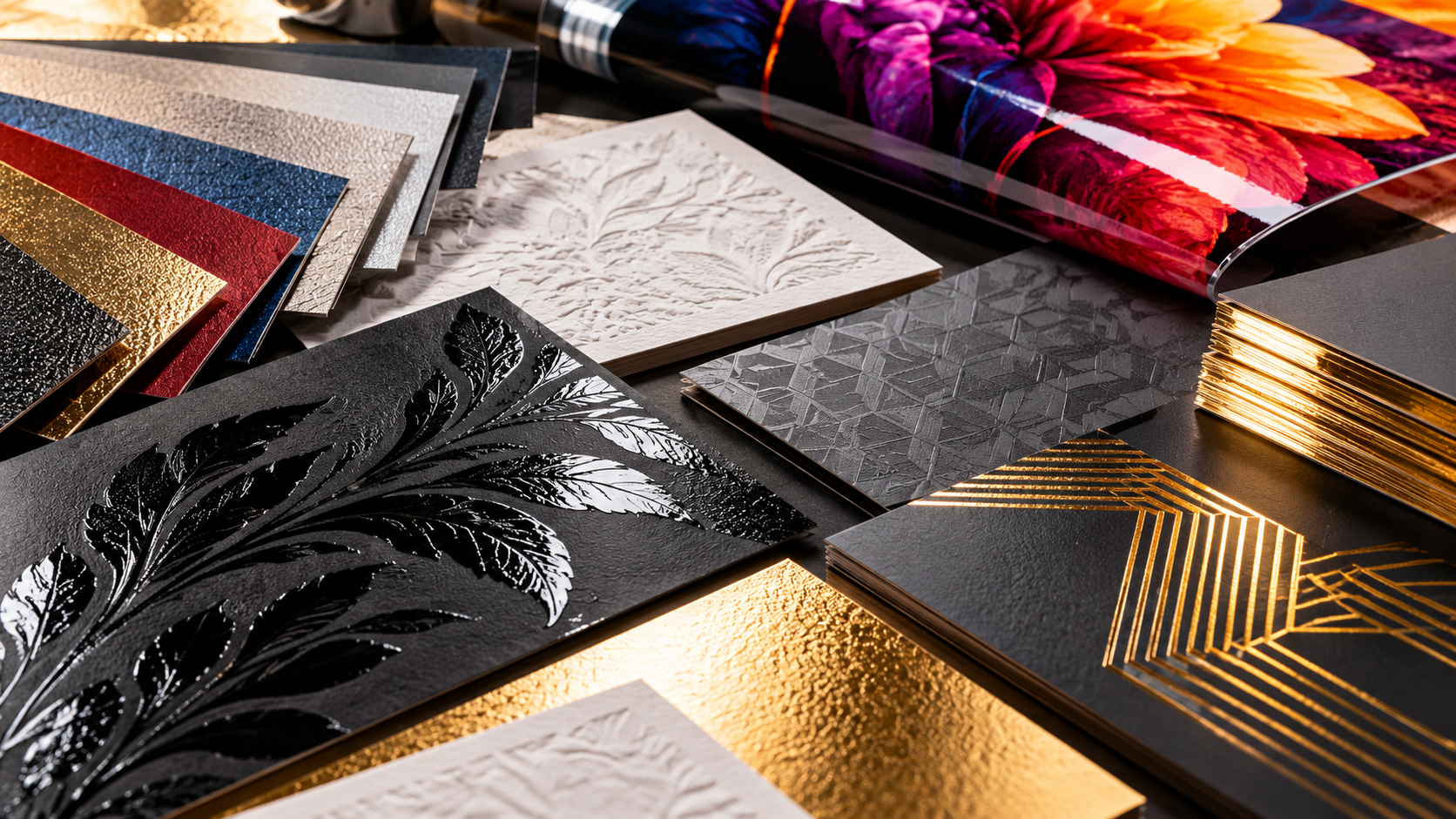
The Finishing Touches That Make Print Feel Premium
Lamination, coating, texture and finishing details can completely elevate a job. This article explains the small final choices that create a premium result.